
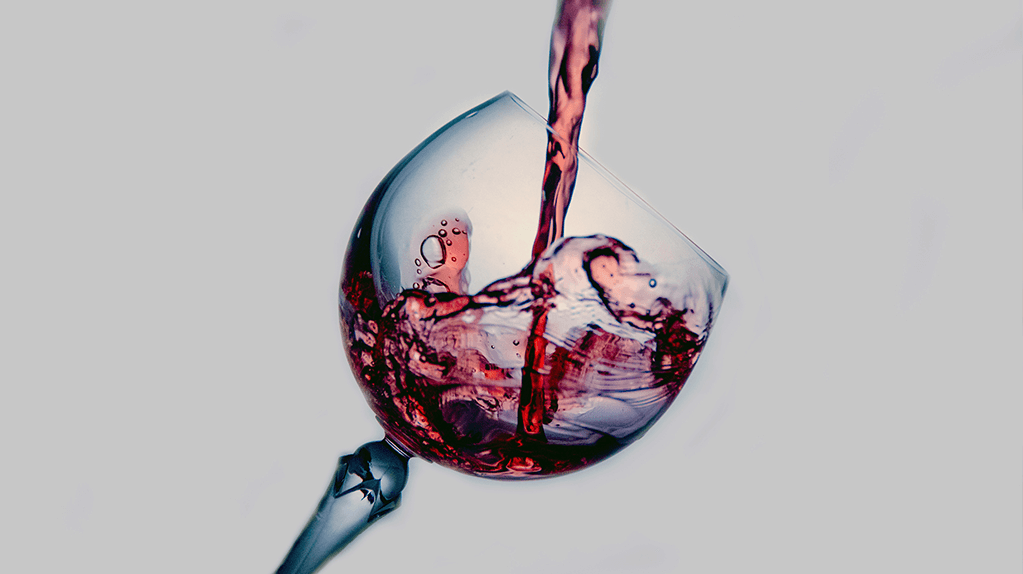
Wine and Emotions
In this week’s publication I would like to talk about two topics, wine and psychology, which, at first, are somewhat incompatible, although they have more points in common than we imagine. And now you are asking yourself, what does one concept have to do with another? Well, the relationship between them is not so complicated.
If we stop and think, we know that wine contains a series of essential properties, such as its color, its aromas and its flavor. These qualities connect perfectly with our senses and after this union, they are in charge of sending a direct stimulus to our peculiar center of operations, the brain.
Once there, after collecting all that information, a response is sent back to our nerves, which quickly get to work.
The emotions of red wine
Traditionally, from a medical point of view, and above all, in our homes, red wine has always been associated with its heart-healthy benefits. However, with regard to mood and feelings, the consumption of this type of wine corresponds, generally, with two of them: euphoria and relaxation.
But, attention! Although they may seem unconnected ideas, it has been proven in various studies and wine workshops, that red wine causes a feeling of initial exaltation and later, with the passage of minutes, leads to a feeling of tranquility after a couple of glasses.
White wine: energy and calm
In this case, be very careful, because this type of wine can cause its consumers to «let their guard down». There are no two situations equal to the state of mind, however similar they may seem, although because it contains a lot of sulfites, the most prominent effects are anti-inflammatory and depressive.
In addition, white wine has a high percentage of sugar (eye, almost more than half of that which accumulates in a red wine) and this fact translates into a sudden explosion of energy.
Wine in emotional terms
Regarding all previous comments, I was especially shocked by an interesting study, published some months ago, at the School of Agricultural Engineering and Biosystems of the Polytechnic University of Madrid
In this study participated 208 people. All of them , had to drink at least one wine. In the sample there were people of all ages, do not think that they only focused on adults, but also included young people and older adults.
Some of the most curious conclusions were the following, above all, with respect to emotions, which is the central theme of this post:- The terms ‘good’, ‘happy’, ‘happy’, ‘soft’ and ‘pleasant’, in most of the answers, were associated with fruit and floral aromas and flavors in the wines.- The terms ‘aggressive’ and ‘guilty’ were related, mainly, with aromas and flavors of vanilla, clove and licorice.- In addition, interestingly, the adjective ‘aggressive’ also appeared associated with the astringent qualities of wine. I share this video that talks about the ability of wine to provoke different emotions in people.
And for you, is it important that wine transmits emotions to you?
I hope you liked this post and I would like to know your opinion! And if you have any questions or suggestions, do not hesitate to contact me.